How to Choose the Right Fishing Rod for Beginners | Complete Guide
New to fishing? This beginner-friendly guide explains how to choose the right fishing rod in 2026, including rod types, materials, lengths, power, action, and the best setups for freshwater and saltwater fishing. Includes FAQs, tips, and expert recommendations.
Choosing the right fishing rod as a beginner can feel overwhelming. With so many lengths, materials, powers, and actions available, it’s easy to pick the wrong setup and struggle on the water. Whether you’re planning to fish lakes, rivers, or coastal waters, understanding the basics will help you make the right choice the first time.
This expert-written guide breaks down everything you need to know about fishing rods in 2026 from rod materials to species-specific recommendations so you can fish confidently and enjoy your time on the water.
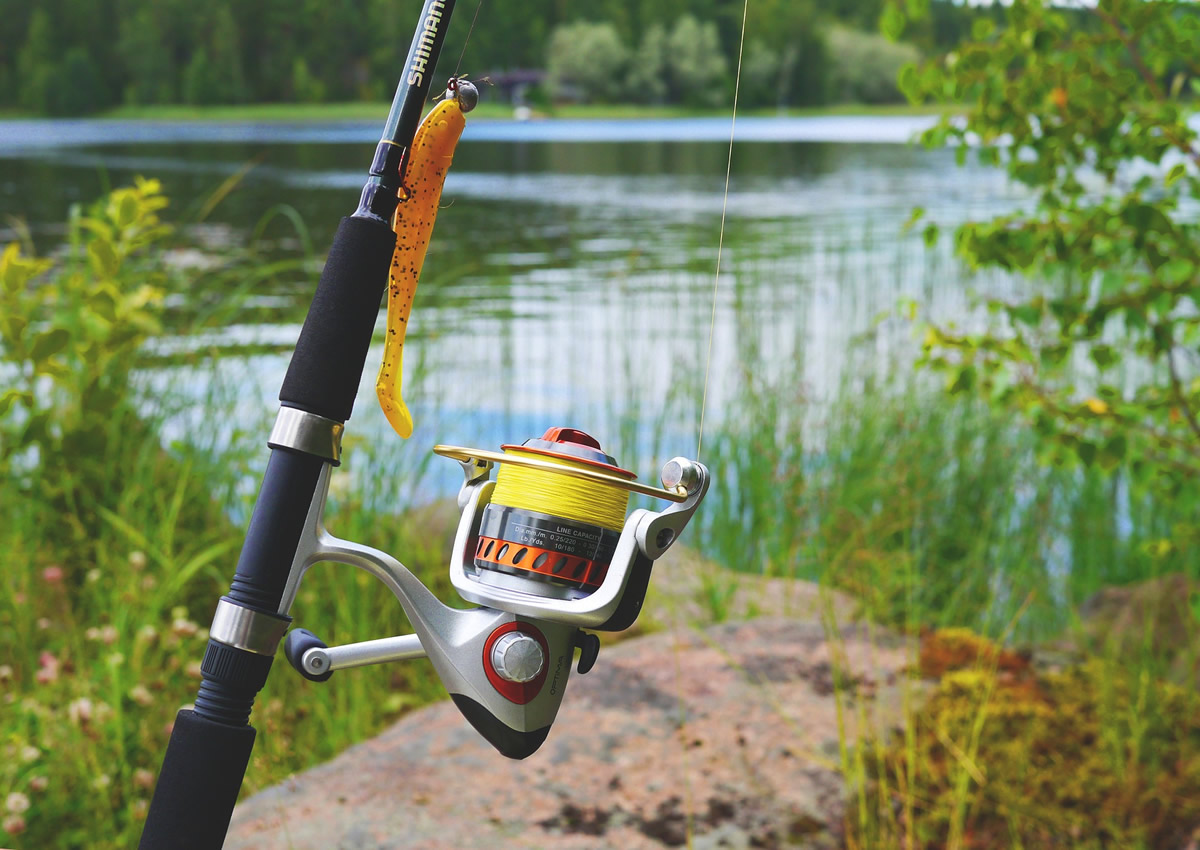
What Makes a Fishing Rod “Right” for You?
The perfect fishing rod depends on where you’ll fish, the species you’re targeting, and your preferred fishing style. For beginners, the goal is a rod that is:
✔ Easy to use
✔ Durable
✔ Versatile
✔ Comfortable
✔ Paired with the right reel
To achieve this, you must understand the key elements of a rod: length, power, action, material, and rod type.
1. Choosing the Right Rod Type
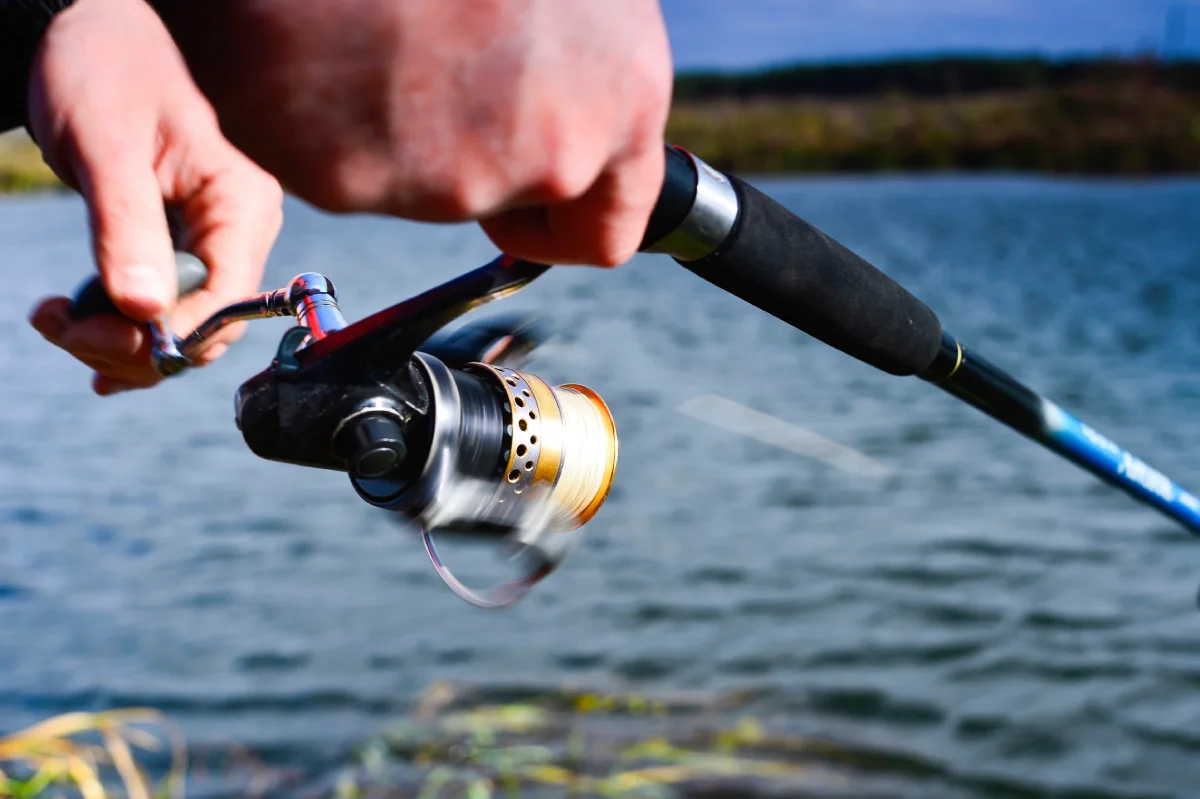
Spinning Rod, Best for Beginners
Spinning rods are the easiest rods to learn with. They work for almost any species and are extremely forgiving.
Ideal for:
Freshwater fishing
Kids and beginners
Casting light lures
Fishing in windy conditions
Casting Rod, More Skilled Use
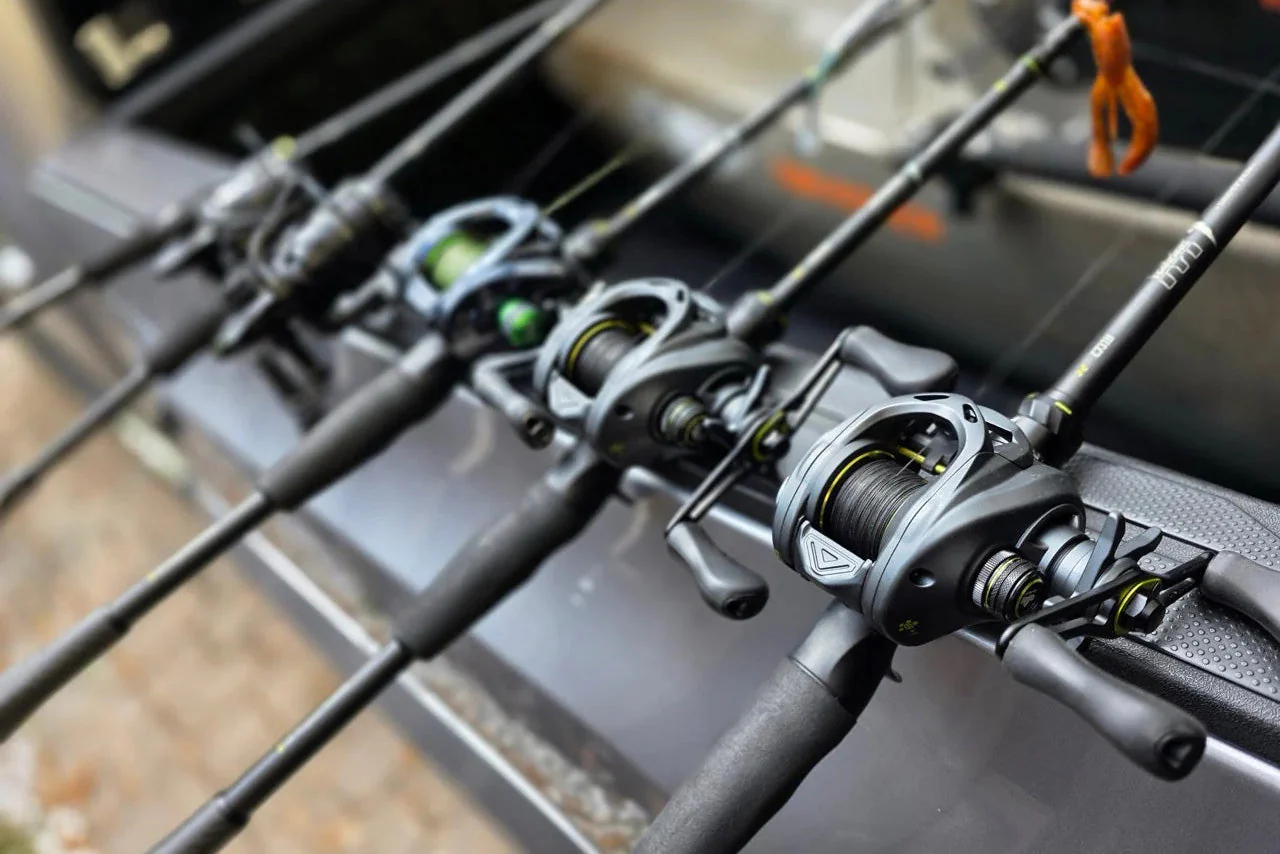
Casting rods (baitcasters) are popular for bass fishing but require more practice.
Ideal for:
Accurate casting
Medium/heavy lures
Bass, pike, and inshore fishing
Telescopic Rod, Portable
These rods collapse into a compact size, perfect for travel but usually less durable.
Fly Rod, Advanced Technique
Used for fly fishing, where anglers cast lightweight flies using specialized technique.
2. Rod Length: What You Need to Know
Rod length determines casting distance and accuracy.
6–7 feet:
Best for beginners
Great accuracy
Ideal for small lakes and rivers
7–8 feet:
Longer casting distance
Good for open water fishing
Under 6 feet:
For confined spaces or kids
Recommended Beginner Size:
➡ 7-foot spinning rod
3. Rod Power (How Strong the Rod Is)
Power describes how much pressure is needed to bend the rod.
UL (Ultra-light): Small trout, panfish
L (Light): Small trout, crappie, perch
M (Medium): Bass, walleye, catfish
MH (Medium-heavy): Larger fish, heavy lures
H (Heavy): Saltwater and big game
Best Beginner Choice:
➡ Medium power, versatile and easy to learn with.
4. Rod Action (Where the Rod Bends)
Action determines sensitivity and hook-setting ability.
Fast action: Bends at the tip (sensitive, powerful)
Moderate action: Bends halfway (versatile)
Slow action: Bends throughout the rod (good for light fish)
Best Beginner Choice:
➡ Moderate or moderate-fast action
5. Rod Material: Graphite vs. Fiberglass vs. Composite
Graphite Rods
Lightweight
Very sensitive
More expensive
Fiberglass Rods
Durable
Affordable
Less sensitive
Composite Rods
Mix of graphite & fiberglass
Best balance of price, durability, and performance
Excellent for beginners
Most beginner-friendly:
➡ Composite rod
6. Matching Your Rod to the Fish Species
Freshwater
Trout/Panfish: Light power, fast action
Bass/Walleye: Medium to medium-heavy power
Catfish/Pike: Medium-heavy or heavy power
Saltwater
Inshore: 7ft medium-heavy spinning rod
Offshore: Heavy rod with strong backbone
Surf Fishing: 9–12ft long surf rod
7. The Best Beginner Rod Setup (2026 Expert Recommendation)
✔ 7-foot spinning rod
✔ Medium power
✔ Moderate-fast action
✔ Composite or graphite material
✔ 2500-size spinning reel
This setup will allow beginners to target the widest variety of fish, from bass and trout to inshore saltwater species.
Beginner Mistakes to Avoid
❌ Buying a rod that’s too heavy
❌ Choosing a baitcaster before learning basics
❌ Ignoring rod weight and comfort
❌ Buying without considering reel compatibility
Top Beginner Rod Brands (2026)
Ugly Stik (durable & affordable)
Shimano (quality & smooth performance)
Daiwa (great value for beginners)
Abu Garcia (excellent mid-range rods)
Penn (best for saltwater beginners)